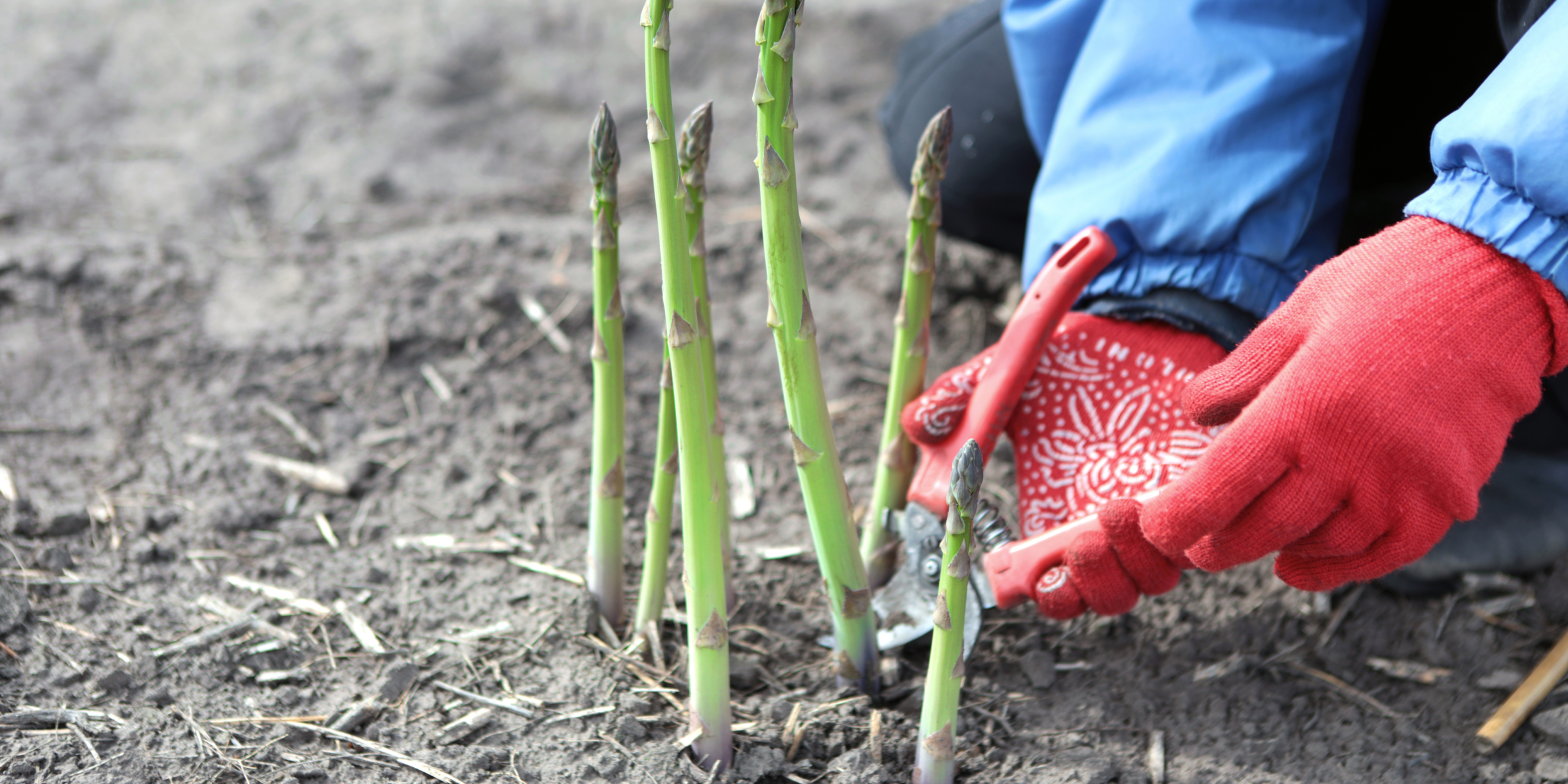
Asparagus is a great addition to your diet. It’s rich in antioxidants, fiber, vitamin K, and folate and low in sodium and fat. Adding asparagus to your meals increases flavour and boosts your health.
Choosing Fresh Asparagus
Picking the best asparagus might be a little tricky. But here are few tips to choose fresh ones:
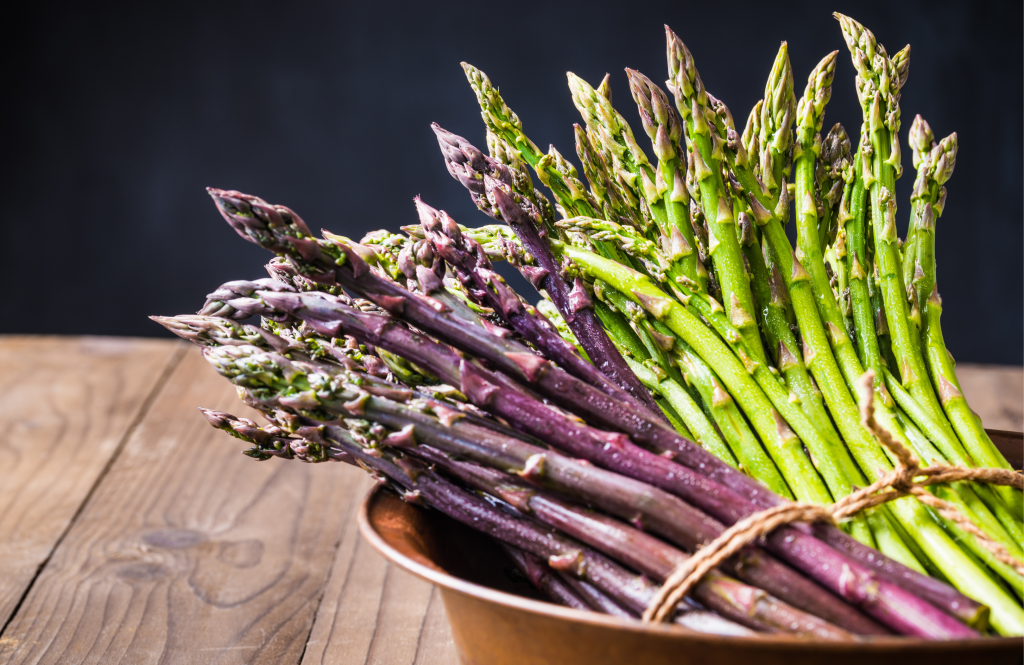
- Colour: Look for stalks that are rich green with a white bottom. Avoid asparagus that is dull in colour and has grey/brown spots.
- Texture: Choose stalks that are straight and firm.
- Tips: Select those ones with tightly closed tips.
- Condition: Avoid limb, mushy and wilted asparagus
Storing Asparagus:
Once you bring home your fresh, crunchy, and delicious asparagus, it’s important to cook it without delay. Asparagus is best when fresh. If left uncooked for too long, asparagus can lose its crispiness, flavour, and nutrients. You can keep its freshness for about a week, by following these simple steps:
- Refrigeration: Always store asparagus in refrigerator.
- For short term: If you plan to cook the asparagus within a day or two, trim the ends of the stalk. Cover the cut ends with damp cloth or paper towel. Loosely cover the asparagus with a plastic cover. Place it in the crisper drawer of your refrigerator.
- For longer term: To store asparagus for longer period, start with cutting the ends of the stalk. Take some water in a wide mouth jar or bowl. Place the asparagus upright in the water. Loosely cover the asparagus with a plastic cover. Place it in the refrigerator. Remember to change the water when it turns cloudy.
Preparing Asparagus
Before you start cooking, you need to know how to properly prepare asparagus to increase its flavour and texture. Here is a simple guide to prepare it perfectly:
- Wash and Dry: Rinse the asparagus under cold water to remove any dirt or grit. Pat the stalks dry with a paper towel.
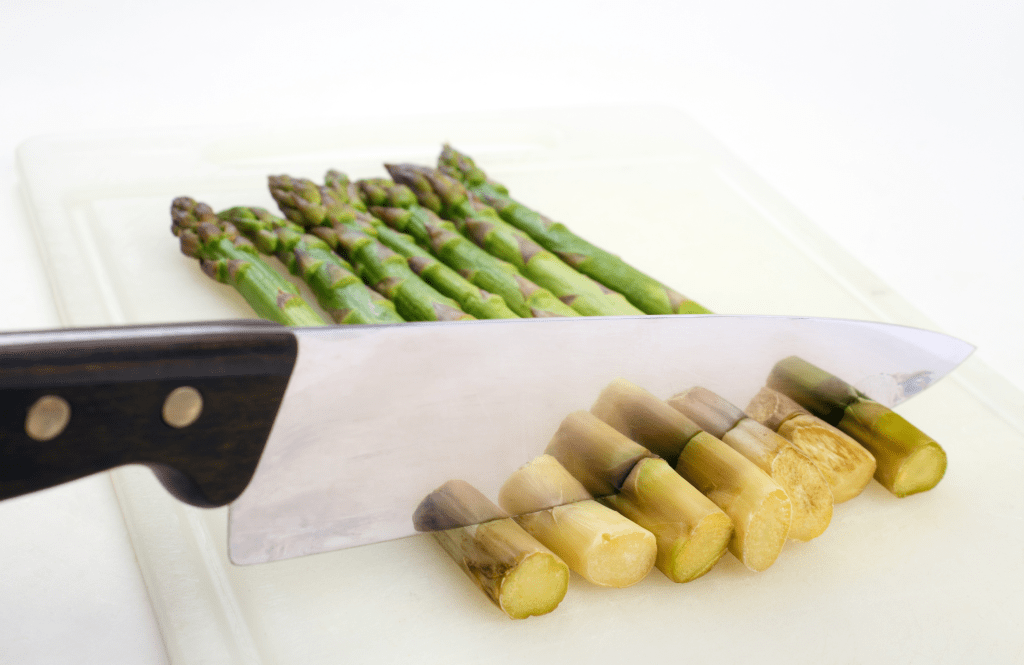
- Trim the Ends: Remove the tough, woody ends of the stalks. You can cut them off with a knife or snap them off by hand. This method often works best as the stalk will naturally break at the right point. When trimming, cut the ends right where the green part of the stem starts to turn white or light purple.
- Peel if Necessary: For thicker stalks, consider peeling the lower half with a vegetable peeler. This helps in uniform cooking.
Cooking techniques:
Asparagus can be cooked in various ways. If you are not sure how to get more asparagus into your diet, try the following cooking techniques:
- Steaming
Steaming is a great way to save the vibrant colour and nutrients of asparagus. Start by filling a saucepan with about an inch of water. Place a steamer basket inside ensuring it does not touch the water. Bring the water to a boil over medium to high heat and add trimmed asparagus to the basket. Steam till you can easily pierce it with a fork (fork-tender). This is about 5-10 minutes for thick stalks and 3-5 minutes for thin ones.
- Boiling
For a quick and straightforward method, boiling works wonders. Fill a saucepan with water and bring it to a boil. Add the asparagus and cook until fork tender and bright green—about 5 minutes for thick stalks and 3 minutes for thin. Once done, simply drain the asparagus and enjoy!
- Microwaving
If you’re short on time, microwaving is a speedy option. Arrange asparagus in a microwave-safe dish in a single layer, sprinkle with 2 tablespoons of water. Cover with a microwave-safe lid and microwave on high for 3-5 minutes. Check in between to see if it is fork tender. This method retains the asparagus’s bright colour and crispness.
- Roasting
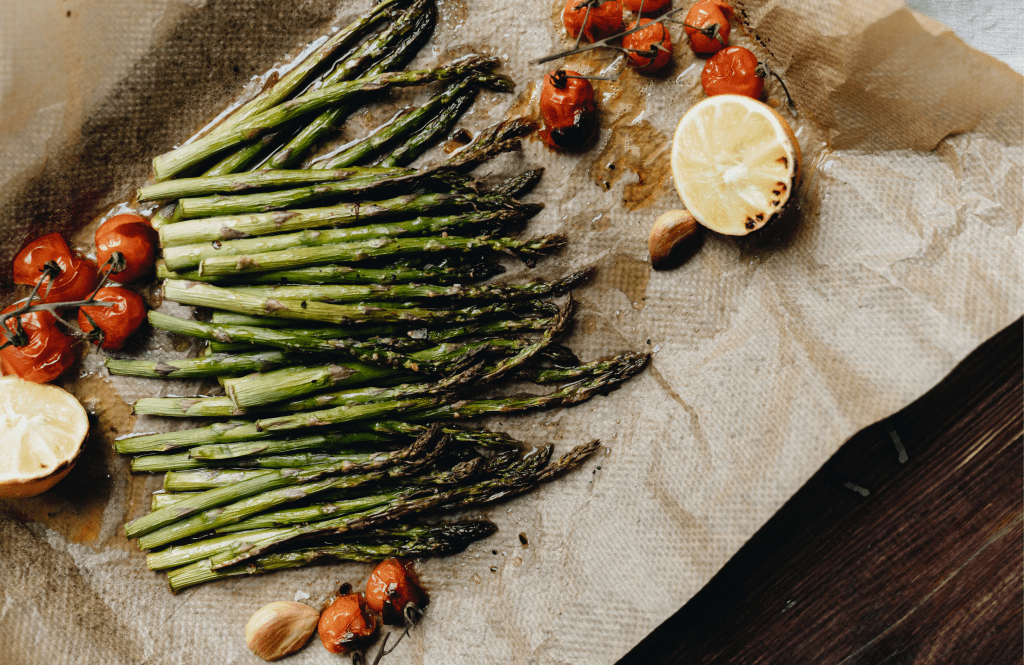
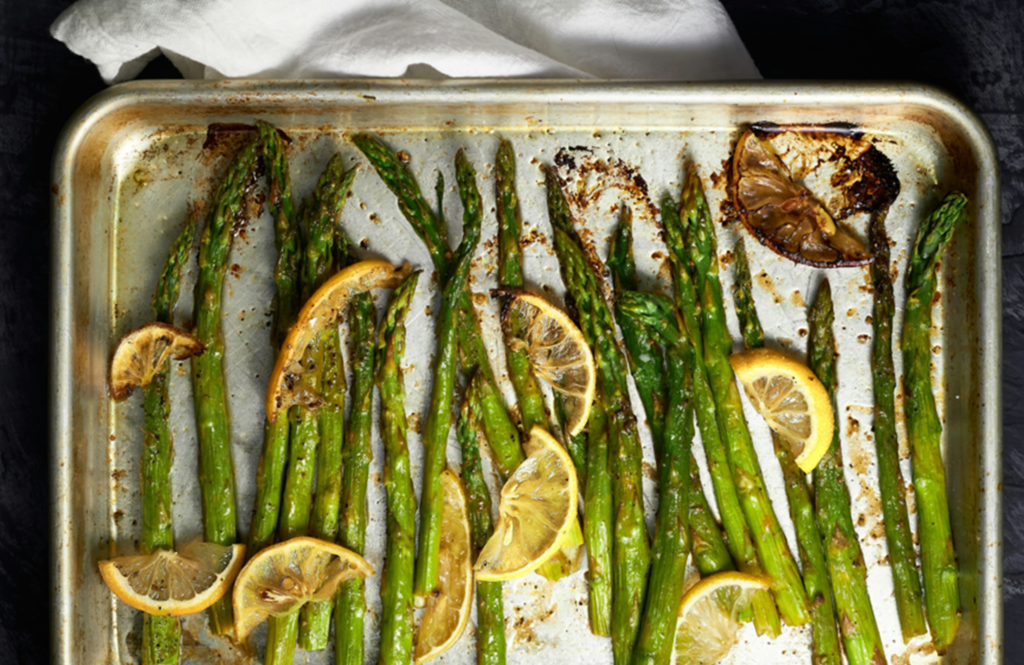
Roasting brings out a rich, caramelized flavour. Preheat your oven to 220°C and line a baking tray with parchment paper. Arrange the asparagus in a single layer. Drizzle with olive oil, and season with salt and pepper. Roast until the base is easily pierced with a fork. This take around 10-12 minutes for thin stalks and 15-20 minutes for thick ones.
- Pan Frying
For a char, pan frying is ideal, especially for thin asparagus. Heat olive oil in a pan over medium heat. Add the asparagus in a single layer, and season with salt and pepper. Cook for 3-5 minutes, turning occasionally until tender and slightly charred.
Seasoning Ideas
To make your dish stand out, you can consider these flavourful seasoning options:
- Lemon Zest and Garlic: Adding lemon zest and minced garlic creates a refreshing and tangy flavour. Simply toss the steamed or roasted asparagus with a sprinkle of lemon zest and a clove of minced garlic.
- Parmesan Cheese: For a rich and savory touch, sprinkle freshly grated parmesan cheese over your asparagus. This works beautifully with both roasted and steamed asparagus, as the heat will slightly melt the cheese, creating a creamy texture.
- Balsamic Vinegar: Drizzling balsamic vinegar over roasted asparagus adds a sweet and tangy finish. It also balances the vegetable’s natural flavours.
- Chili Flakes: If you enjoy a bit of heat, sprinkle chili flakes over your pan-cooked or roasted asparagus.
- Fresh Herbs: Fresh herbs like thyme, rosemary, or dill can increase the flavour of asparagus. You can toss the cooked asparagus with finely chopped herbs.
- Soy Sauce and Sesame Seeds: For a quick stir-fry or pan-cooked asparagus, a splash of soy sauce mixed with toasted sesame seeds can create an Asian-inspired dish. This combination is perfect for a quick weeknight dinner.
Whether you are making a simple side dish or a more complex meal, these ideas will help you make the most of asparagus. Asparagus is a delightful addition to any meal, so don’t hesitate to experiment with it in your cooking!
By Ornella Sara Shaj from The Baker Heart and Diabetes Institute. 🌱
 Food from Home