Food waste hits households’ budgets and adds unnecessary pressure on landfill. Globally, about one-third (~1.3 billion tonnes) of all food produced goes uneaten, costing the economy close to $940 billion each year (OzHarvest, 2024).
However, small daily habits can make a big difference. With a few simple changes, you can reduce waste, make your food last longer, and build a healthier, more resilient community.
Simple habits that save money and support a more food secure community:
1. Maximise your produce
- Keep stalks and leaves: Broccoli and cauliflower stalks, and green bean ends are all edible and delicious in stir-fries, curries, soups or roasts. Carrot tops and celery leaves can be added to salads or used as a pesto base. If you’re looking for recipes using carrot tops, try our top‑and‑bottom carrot soup recipe (FFH_Top and Bottom Carrot Soup).
- Wash don’t peel: The skins of fruit and vegetables contain extra fibre, vitamins and minerals. Most fruits and vegetables can be eaten with skin on unless they are tough, bitter or inedible (eg. Citrus, melons, onions, bananas). A good wash or scrub is all you need.
2. Save scraps for stock
- Keep a freezer container for vegetable scraps (eg. Carrot tops, celery leaves, herb stems). When full, simmer into a flavourful, waste-free stock or soup.
3. Give ‘sad’ vegetables purpose
- Wilted vegetables can be great for adding to vegetable muffins, frittata, savoury loaves or fritters. They are still filled with flavour but just need the right recipe.
4. Make fresher last longer
- Store leafy greens in an airtight container with paper towel to absorb moisture, keeping greens fresher for longer.
- Soak limp greens such as lettuce in iced water for 10 minutes to make them crisp again. Moisture gets drawn back into the plants cells to restore firmness and freshness.
- Wrap herbs in a damp tea towel, paper towel or store in a glass of water.
- Store chopped root vegetables in water to stay crisp.
5. The freezer is your friend
- Freeze bread, herbs, cooked meals, or leftovers you won’t eat in time. Label, date and rotate regularly.
6. Make leftovers a habit
- Plan a weekly “leftover night” and always check the fridge before shopping.
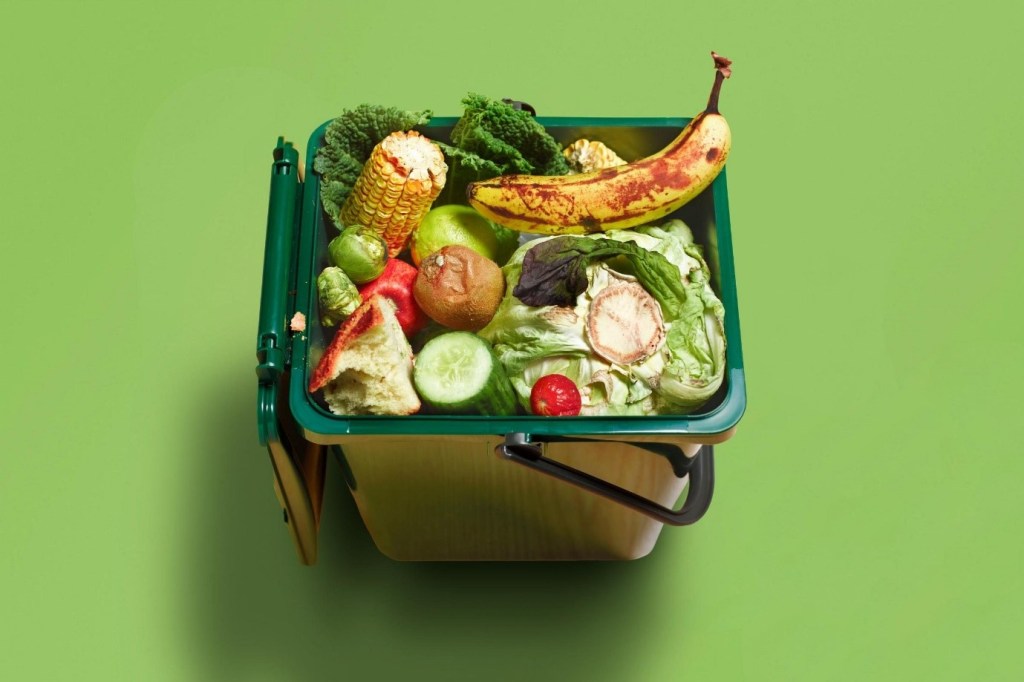
7. Compost what’s left
- Once you’ve reduced waste as much as possible, compost or recycle waste into your council’s food and garden organics (FOGO) lime-green bin to help reduce greenhouse gases and keep food scraps out of landfill.
-By Chantelle Erwin, Dietitian at Baker Heart & Diabetes Institute 🌱
 Food from Home