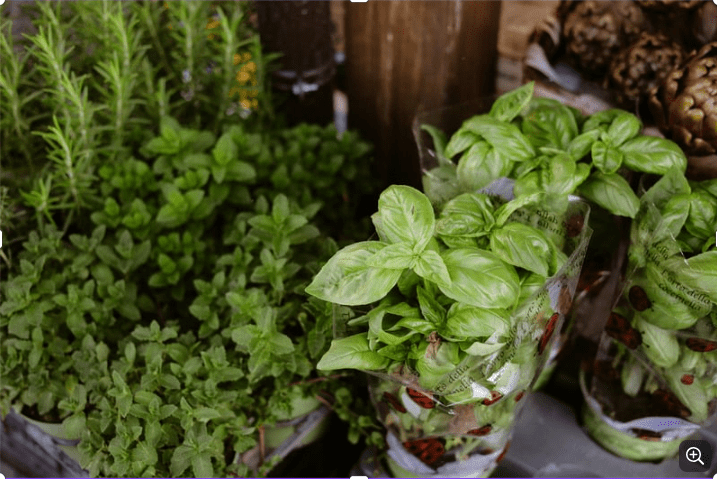
For many of us, herbs are more than ingredients. They hold memories. The smell of curry leaves in hot oil, mint in tea, coriander over soup, basil in pasta sauce, or rosemary on roasted meat can take us back to a family kitchen, a grandmother’s garden, a street market, or a shared meal after school.
Our sense of smell is closely linked to emotion and memory. Unlike other senses, scent reaches the emotional parts of the brain quickly and directly. This is why the smell of a crushed leaf or a pot simmering on the stove can stir feelings before we even put them into words.
For people who have moved away from where they grew up, this connection can be especially important. Aromatic herbs can help people stay connected to culture, family, and tradition, even when living in a new place. Growing a familiar herb at home can be a simple way to bring some of that connection into everyday life.
Across cultures, herbs are used in many meaningful ways. In South Asian cooking, coriander, curry leaves, mint, fenugreek, and pandan add flavour and fragrance to curries, chutneys, rice dishes, sweets, and soups. In Vietnamese, Thai, Malaysian, Indonesian, Cambodian, and Filipino food, aromatic plants such as lemongrass, pandan, Vietnamese mint, coriander, mint, and Thai basil are used in broths, curries, rice dishes, desserts, teas, and salads.

In Mediterranean and Middle Eastern cuisines, parsley, mint, oregano, rosemary, and thyme are common in salads, dips, grilled foods, and slow‑cooked meals. In Italian households, basil is closely linked to pasta sauces, and pesto. In many Eastern European homes, dill is a familiar part of soups, pickles, potatoes, fish dishes, and yoghurt‑based sauces.
Growing herbs at home is also a gentle way to start growing food. You do not need a large backyard or special equipment. Many herbs grow well in small pots, containers, garden beds, balconies, or sunny windowsills. Picking a few fresh leaves just before cooking can make a meal feel fresher and more comforting.
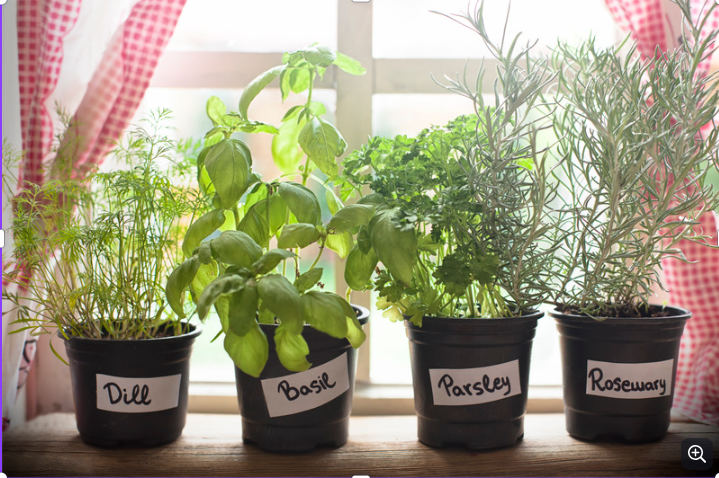
For beginners, herbs such as mint, parsley, basil, coriander, thyme, and rosemary are good options. Mint grows quickly and is useful in teas, salads, chutneys, and yoghurt dips, though it is best kept in a pot because it spreads easily. Basil prefers warm weather and suits pasta, soups, salads, and stir‑fries. Coriander grows best in cool weather, does well in pots or garden beds, and tastes best when picked young. Rosemary and thyme are hardy herbs that grow well in sunny spots with well‑drained soil and need little care once established. They work well with roasted vegetables, breads, soups, and stews.
Some aromatic plants, such as lemongrass and pandan, can also be grown at home in the right conditions. Lemongrass adds a fresh citrus smell to soups, curries, marinades, and teas. Pandan is known for its sweet, fragrant leaves and is often used in rice dishes, desserts, and drinks. Both plants need warmth and sunlight to thrive.
Herbs help us notice the seasons too. Some grow quickly in warmer months, while others need protection from strong heat, frost, or wind. Picking herbs regularly encourages new growth. If you have more than you can use, you can share them, dry them, or freeze them.
Cooking with fresh herbs can make everyday meals easier and more enjoyable. A small handful can add colour, aroma, and flavour to your meals. Herbs can also help bring flavour to meals without relying too much on salt, sugar, or rich sauces.
There is no single “right” way to use herbs. Every household has its own practices. Some recipes are carefully measured, while others rely on taste and memory. A grandparent may say “just enough coriander,” a parent knows exactly when the curry leaves are ready, or a friend shows how much mint to add by feel rather than by spoon.
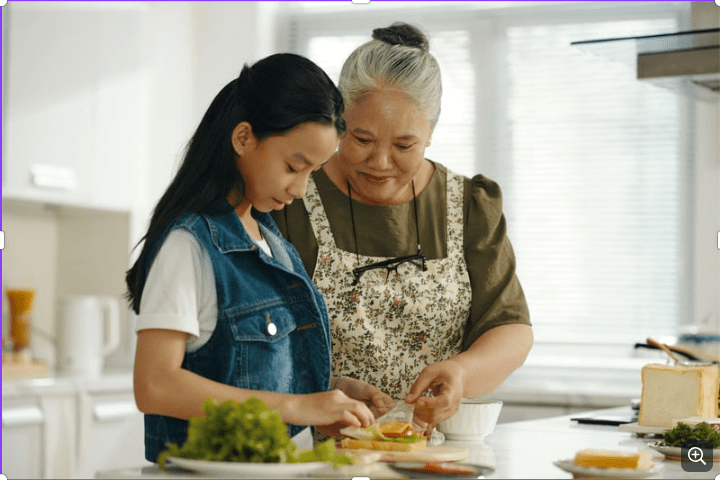
This season, you might like to grow a herb that reminds you of home. It could be something you use often, or something you have not cooked with for a long time. You might ask a family member how they use it, share cuttings with a neighbour, or try adding it to a familiar dish.
Sometimes, home can begin with something as simple as a small green leaf.
What herb smells like home to you?
~By Ornella, Health Promotion Officer, Baker Heart and Diabetes Institute

