Grow your own mushrooms at home: A beginner’s guide

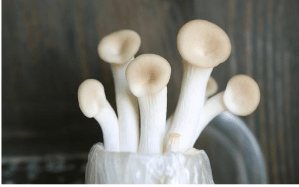
Mushrooms are a popular fungus packed with nutrients, and they taste amazing on toast. Ever wondered if you could grow your own mushrooms at home? The answer is yes and it’s easier than you think!   

Whether you’re an experienced gardener or just someone who loves mushrooms on toast, growing your own fungi is a fun and rewarding project.  

How to grow mushrooms 

Step 1. Choose Your Mushroom Type

Some mushrooms are easier to grow than others. Oyster mushrooms and white button mushrooms are simple to grow for beginners.

Step 2. Pick a growing method

There are two ways to grow mushrooms. The simplest way is to use a mushroom grow kit which you can purchase from Bunnings. The second method is more involved, creating your own mushroom grow kit. 

Guide to making your own mushroom growing kit

What you need

• Mushroom spawn (like oyster or button)

• A substrate (e.g. straw, sawdust, or coffee grounds)

• Containers (buckets, bags, or jars)

• A spray bottle (for keeping humidity high)

Instructions using straw as a Substrate

  1. Cut straw into small pieces and soak in hot water (around 70°C). This will kill bacteria.
  2. Let the straw cool and drain thoroughly.
  3. Place your straw into a bowl
  4. Mix your mushroom spawn into the straw evenly.
  5. Put the straw and mushroom mixture into a bucket or bag with small air holes.
  6. Incubate the mixture by storing it in a warm, dark place (around 22°C) for 2–3 weeks. The mycelium will spread and turn the straw white.
  7. After 2-3 weeks, when the straw has turned white, move the container to a light and humid like a bathroom or covered tub.
  8. If you are using a bag, ensure there is enough room for the mushroom to grow out.
  9. After about 5–7 days in the light area, your mushrooms will be ready to pick and eat.

Tips for Growing Success

  • Ensure a humid growing environment. Mushrooms love moisture. You can mist them by using a spray bottle filled with water.
  • Always wash your hands and tools to avoid contamination.
  • Don’t wait too long to harvest. Harvest just as the cap begins to flatten out.

You can purchase mushroom grow kits, spawn, and containers from your local garden store or Bunnings. If you’re new to mushroom growing, starting with a grow kit can be a great way to build confidence before creating your own grow kit.

Step 3. Enjoy your mushrooms!

Growing mushrooms is like magic- you go from a bag of straw to a crop of beautiful, edible mushrooms in just a few weeks. It’s a great way to connect with your food, reduce waste, and enjoy a delicious and nutritious ingredient.

Once your mushrooms are ready, why not try them in our mushroom toast recipe!

-By Hannah Porter, Dietitian Baker Institute 🌱

Interview with Catherine from the Mornington Peninsula Region re: Food from Home

What made you and your family start growing food?

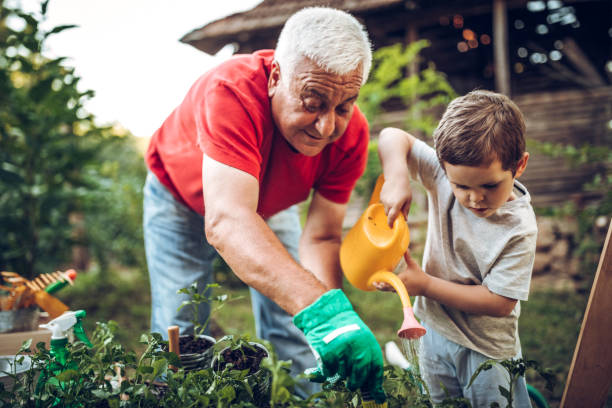
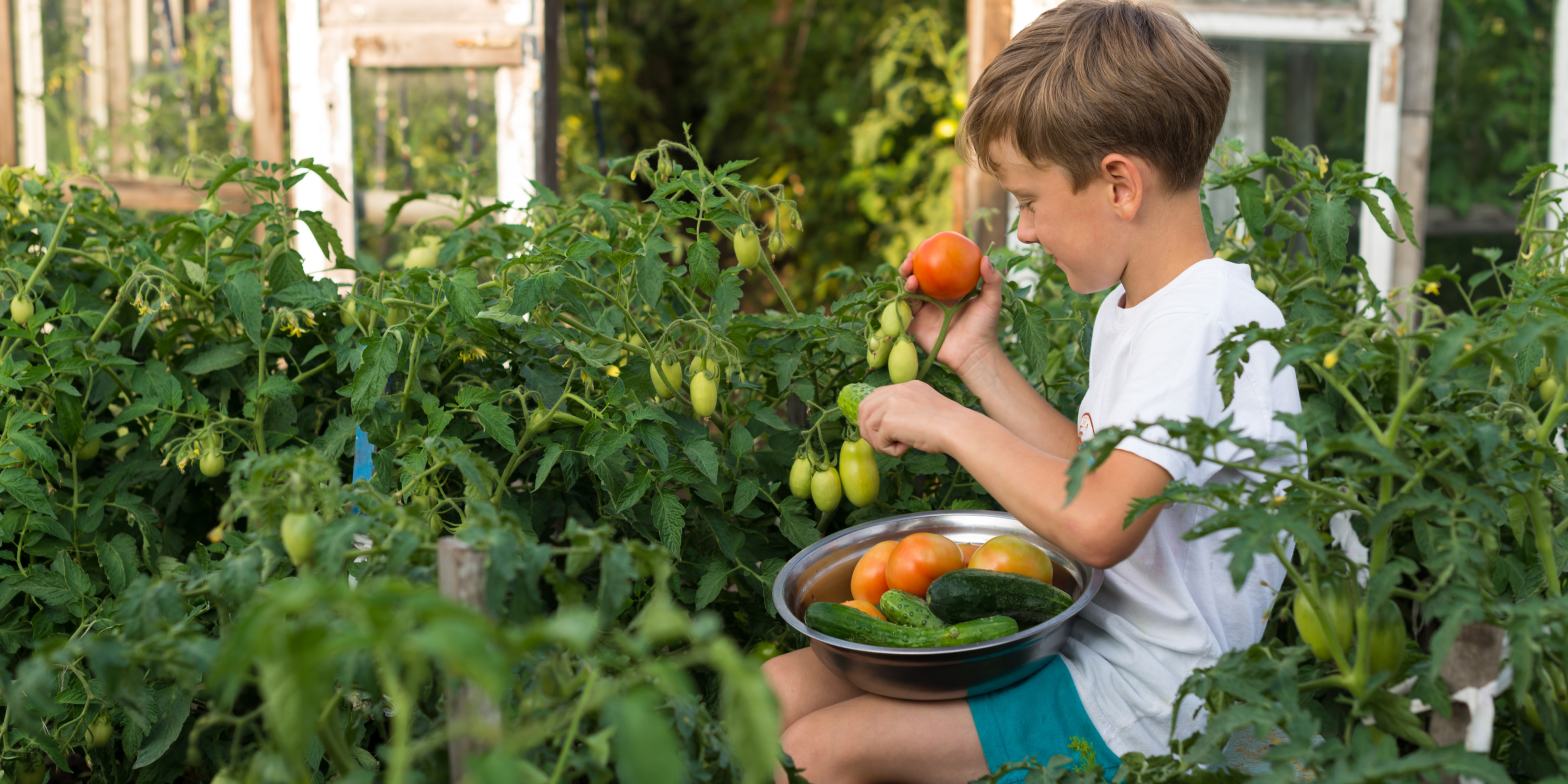
My husband thought it was really important our little girl understood where food comes from. He was talking about tomatoes one day and she said “tomatoes come from the shops”. He said “tomatoes actually get grown on a vine from the ground”. That day, he took her to the plant store and he bought seeds and explained how seeds germinate and produces food we eat.   

From there, he started with a small batch of pumpkin, tomatoes and cucumber. Our garden must be in a sunny vibrant area with productive soil, as the little patch they planted as father and daughter (such a fun experience for both of them) was thriving!  

What made you join in the fun?

I realised that I really enjoyed looking after those plants and cultivating them. I started reflecting on how valuable that lesson was for my daughter and how important it is for her to understand how to look after something and see it grow. I know nothing about gardening and nothing about looking after an edible garden or soil or planting. I am an absolute beginner. That was a fun experience and a bonding experience with my husband, who has a horticulture background.  

I took my daughter to the plant store and we planted a number of edible plants. Now our garden has expanded.  We planted a lemon tree, a range of herbs and vegetables. 

What do you like about gardening

It’s kind of addictive because you end up seeing the benefits and the fruits of your produce and how handy it is when cooking dinner to just get to pop outside and pick them.

Are there other benefits to growing edible foods with a child?

It’s such a great sensory experience for my daughter, to take her out there and pick something and smell it and feel different textures. We like mixing herbs into different foods to see how that affects the flavour. 

As a family, it’s been such a positive experience, because we do it as a family unit. My daughter gets her watering can and helps with the gardening or mulching and it’s a chance to talk to her about how we nurture something.  

My daughter was a big part of it to start, but now I just feel so fulfilled. It’s such a reward that you created something.  I love putting a basket together and sharing it with family and friends. Everyone loves getting a bag of different herbs or a basket full of vegetables from your garden. That has also been really nice.  

What do you enjoy growing most and why?

I’m looking forward to the raspberries fruiting, as they were one of the only plants my mum used to grow. She used to make raspberry jam every summer. We used to have endless jars of raspberry jam. I loved having soda bread with butter and jam in the morning. They are also frighteningly expensive in the shops, so that will be a big money saver. 

Knowing it is organic feels good. How nice is it to take a strawberry or tomato straight off the plant. 

What advice would you give others looking to start edible gardening?

Start small. If you go get too many plants and they crowd each other, there might be less success.   

See if you like it. It’s so rewarding when it does pay off. 

Don’t underestimate the knowledge and sharing at plant stores. I feel like if I’d consulted with a staff member they would have explained how to spread them out or about the sunlight they need or if they need netting etc.  

Is gardening important to you and your family

100%. We take for granted how much food our grandparents grew themselves because they had to. I have fond memories of making gooseberry jam with my grandmother or getting potatoes from her garden – having those enriching relationships and that special time together.  

How can gardening help the next generation?

It’s vital for environmental sustainability for children to understand how to grow food and look after the environment. If you don’t nurture that, it may not survive. My husband supports my values in that as well, in terms of how valuable it is for my child to grow those skills.  

Does gardening help you keep connected to your Irish heritage here in Australia?

It’s funny that you ask because parsnips are really expensive to buy here, yet affordable in Ireland. Every Irish child will tell you they grew up on mashed carrot and parsnip as a baby and then all through your childhood. It was an easy vegetable to grow. I’ve been thinking about how to grow parsnip next, though I’ve heard it is harder to grow here.  It would connect to my childhood memories and, of course, I want my child to try foods that are really connected to Ireland.  

How has gardening impacted your daughter’s relationship with food?

It has opened her to new sensory experiences. In the garden, she loves picking something up and just trying it there and then. There’s no pressure on her to try anything. She just loves the experience. 

How does gardening prevent food waste in your household?

You only use what you need. Sometimes you open a bag of lettuce from the supermarket and a few days go by and it’s all wilted.  What a waste! I love being able to pick the lettuce I need.  Same with the tomatoes. It’s handy to go out and have them freely available but they don’t go off if I don’t pick them here and then. Nothing goes to waste.  At one point our zucchinis were out of control so I was able to share them with family and friends, so nothing ever went to waste.  

Any advice for those thinking of starting a veggie patch?

Just give it a go, if you’ve thought about it. It might instil something in you didn’t know you was in there – a sense of joy and connection to nature. 

-By Alexis Letters-Haydock 🌱
Interview with Myuna Farm manager Steve Hill.

How did you get started on your edible garden journey?

I think it was garlic that triggered it all for me.  Garlic in Australian supermarkets was mostly from China.  I started with one garlic then went to The Diggers Club and got 5 different varieties of garlic and started growing it. 

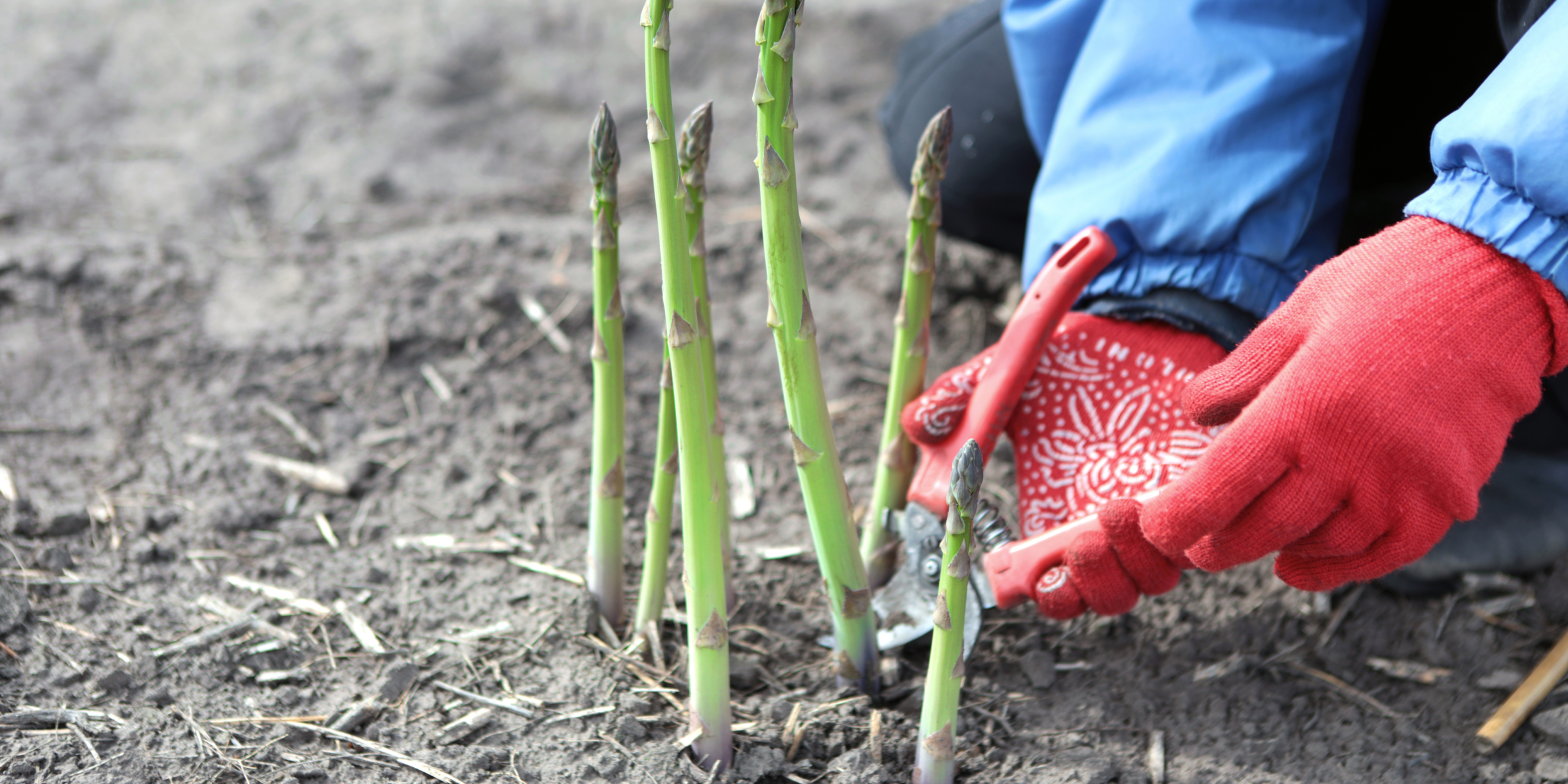
Dad was a gardener as well. He was keen on tomatoes and asparagus, so I started growing them as well and then it just kept snowballing.

Once you’ve got your harvest – the fruits of your labour – it just gets better and better. 

What do you like most about gardening?

Ultimately, the end result: the eating and the produce. 

Gardening encourages people to eat healthy and be active. Eating healthy and being active go hand in hand. If you’re gardening, you are being active. The benefits are physical and mental.

A combination of the physical element (being out in the garden in the fresh air rather than indoors in a gym or whatever) and the mental health element too – you are enjoying, thinking and researching.

How has gardening changed your habits? 

There are some things I would have never eaten before until I started to grow them myself. The classic example is peppers. I never used to be interested in them, but I saw a lot of gardeners here (at the allotment) grow them. So, I researched and realised you can stuff them with rice and toast them and they’re delicious. It was gardening that triggered healthy eating. One thing flowed on to the other.

One night I took a photo of my plate when I cooked dinner. Everything on the plate (a good variety) was from the farm (allotment) here. It was very satisfying. 

The flavour is heaps better when you grow food yourself.

What has been the biggest challenge growing your own produce and what learnings have you taken from it?

Working out what grows well together. For example, basil and tomatoes grow well together and they are a marriage made in heaven because they eat well together too. Whenever you have a tomato dish you often have basil in there. 

Some things don’t grow well as neighbours and others are the exact opposite. That makes you want to learn – to research and to communicate with other gardeners.

Keeping the bugs out is another challenge, like cabbage moths.  There are strategies you can use to stay one step ahead of nature, like companion planting with marigolds and nasturtiums.  The challenge is to grow healthy without using chemicals and get the results chemical free. 

What advice would you give to a beginner gardener or someone wanting to start their own edible garden?

Plan it out.  Know your north and south and plan your garden so that one plant doesn’t shade another one. Some things will grow tall and shade vegetables behind it.  

Know the best use of space.

Rotate the beds every 3 years and plan it so you have your winter crops and summer crops.

There are 3 main things to consider with growing vegetables:

  • water
  • sunshine
  • soil quality

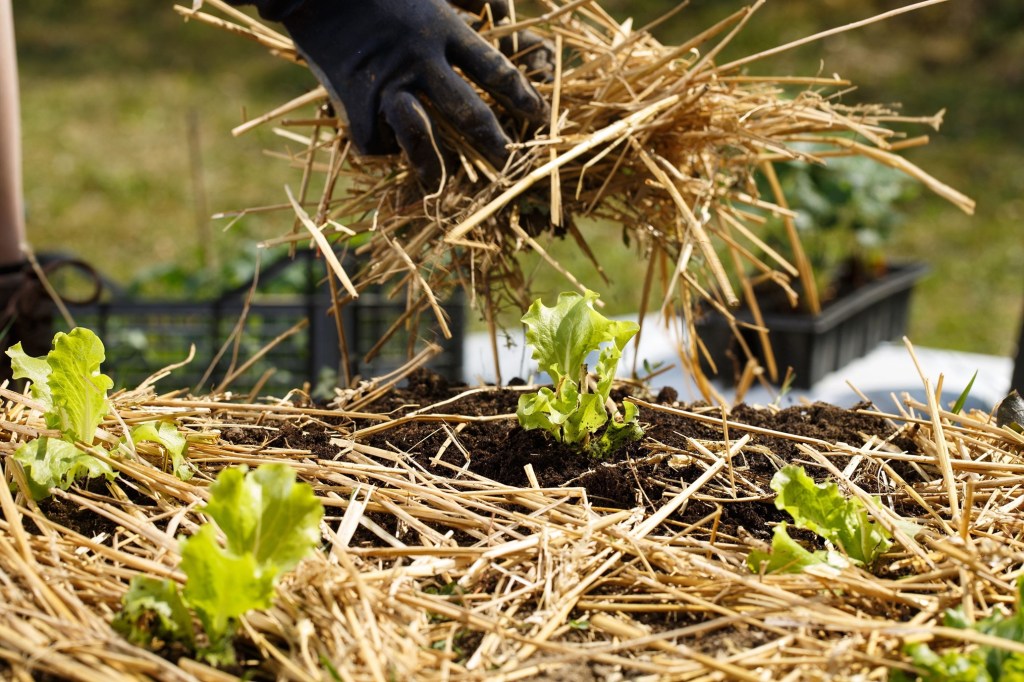
Use naturally organic methods to get the best out of the soil. Do not use chemicals. Just use nature. We use a lot of animal manures. Use pea straw on top of the soil to stop the soil drying out, to keep the moisture in the soil underneath. 

Plan it, map it out. Know what to sow when. Know your climate for your area.

Why is it important to grow your own food?

You get more satisfaction out of growing your own produce and sharing it with family and friends. 

It’s healthy. 

It’s probably cheaper. I actually haven’t done the cost comparison.

I don’t know if it is cost effective because you can get caught up in it and the more you research the more you might hunt around for the good natural fertilisers and manures and things.

And then I suppose the next step is to research the best way to prepare the food you’ve grown – learning how to cook it and enjoy it. Learn to get the most out of what you’ve out the effort into growing.

What’s the most impressive thing you’ve grown? 

I researched pumpkin seeds. The American world champion pumpkin grew to around 1000 pounds. I bought seeds from it and grew one that got up to a few hundred kilos! It was just for fun. We cut a hole in the top and kids were climbing in and out of it. You could fit 3 kids inside it. We had to get it out of the garden with a forklift!

Is there a page we can follow for more information?

There is a Myuna Farm Facebook page.  It features animals, veggies and community events. We run workshops on: keeping backyard chooks, composting and the benefits of worm farms.

-By Lauren Clementson and Alexis Letters-Haydock 🌱
The upside of garden failure

Have you had a bad season in the garden?

It can be sad and demotivating to spend time and money planting seeds and seedlings only to have them fail. 

If you have had a bad growing season, you can come out of this hard period a better gardener. Garden failures help provide learning opportunities to make us better gardeners long term. 

Read on for some positives to keep you gardening when you feel like giving up.

Learning to investigate the cause

When a crop fails in the garden, there is always a reason. 

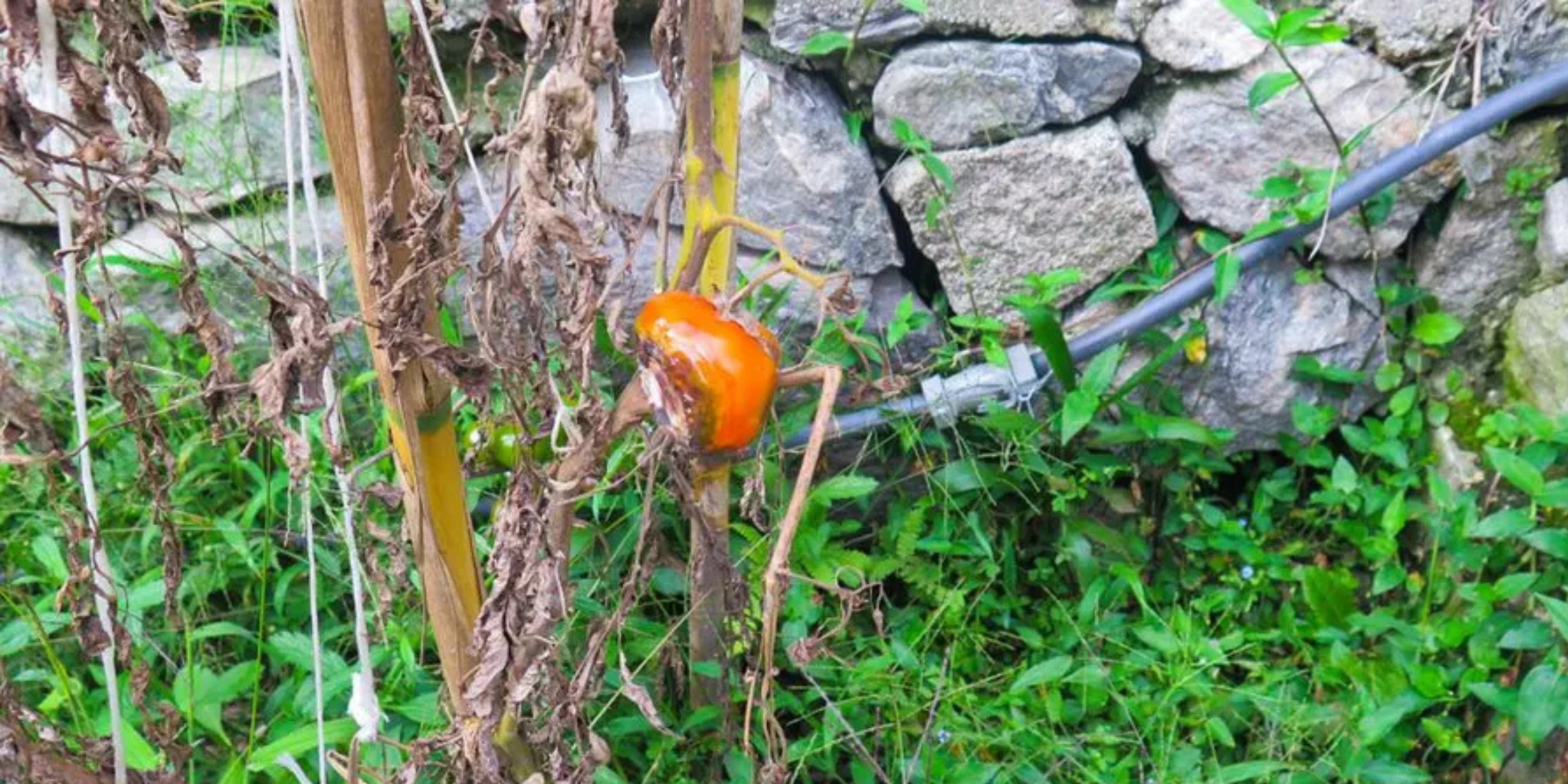
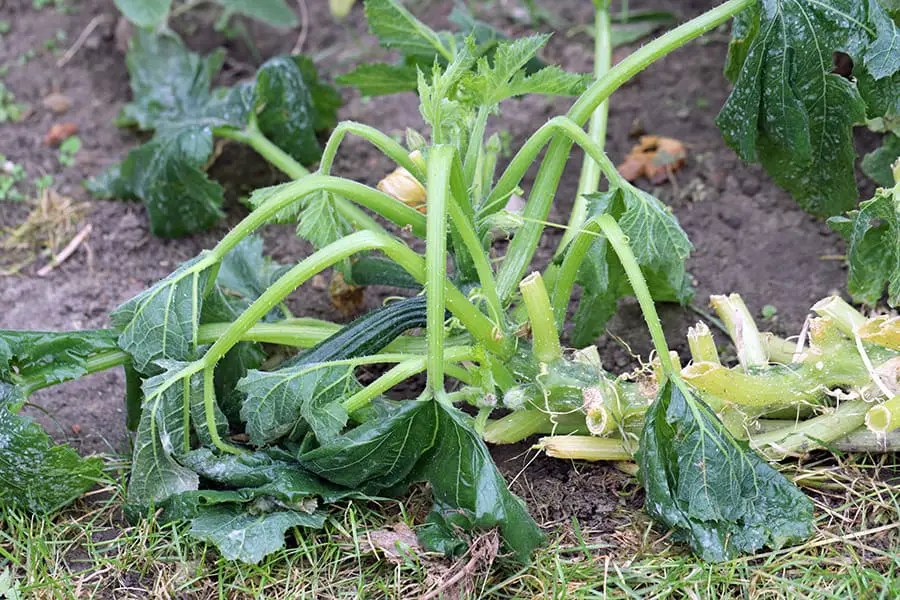
Maybe your tomato plant died because you planted it too early in the season. Maybe your zucchini crop failed because slaters ate them, maybe your cucumbers never thrived because you fertilised them too early. 

Whenever a crop fails in the garden, try to learn why. Talk to an expert at a garden centre and see if they can help you find the reason. When you learn the cause of the crop failure, write it in a garden diary so you know not to repeat the same mistake in future seasons.

Diagnosing plant conditions 

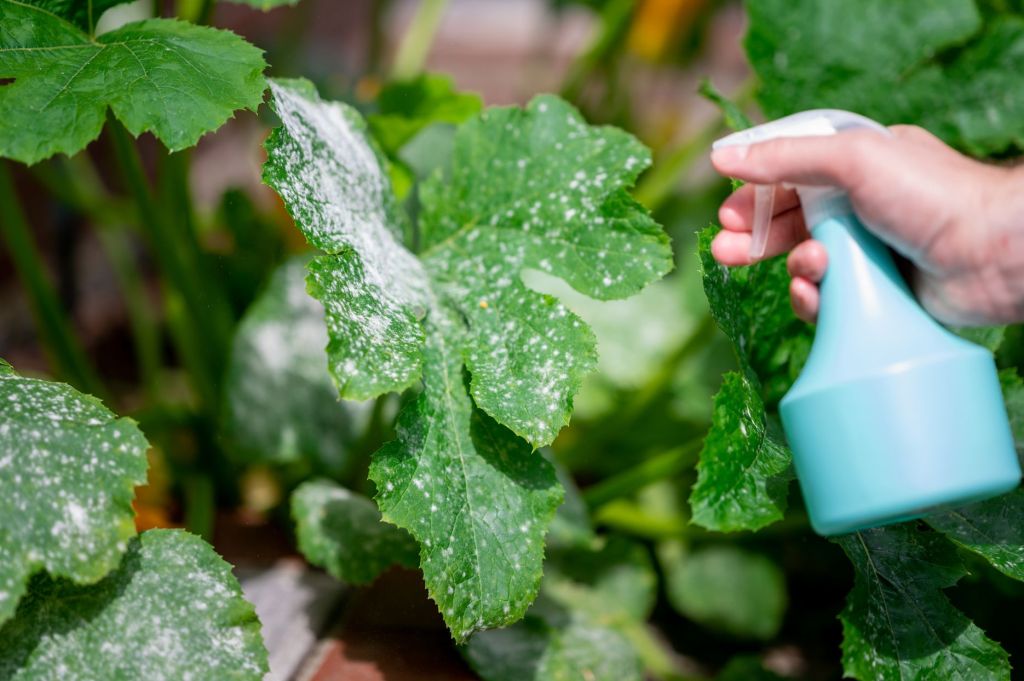
Your crop might have failed due to a plant condition you cannot recognise. You might notice holes in the plant’s leaves or powdery mildew on the stem or brown ends on the fruit. You can research these signs to learn the cause. Read books or take photos and share them on social media to gardening communities to find the reason. This will make you wiser for next growing season.

Improving your knowledge

When you have learnt to identify the cause of plant failures and diagnose plant conditions, you will be a wiser gardener. Not only can you stop your crop failing again in future, you can also prevent it happening to friends. When you give your friend garden advice they might be kind enough to share their harvests with you.

Planting new crops

Finally, the best part about failure in the garden is it means you probably have room in your vegetable patch for new seeds. The only thing a gardener likes more than reaping a great harvest from their garden, is getting new seeds and beginning the exciting process all over again. 

Rome wasn’t built in a day and your gardening skills are not defined by one season. It’s not just gardens that grow; gardeners need to grow too, and failure helps us do just that. 

– Alexis (FFH Team) 🌱

How to prepare your worm farm for extreme heat

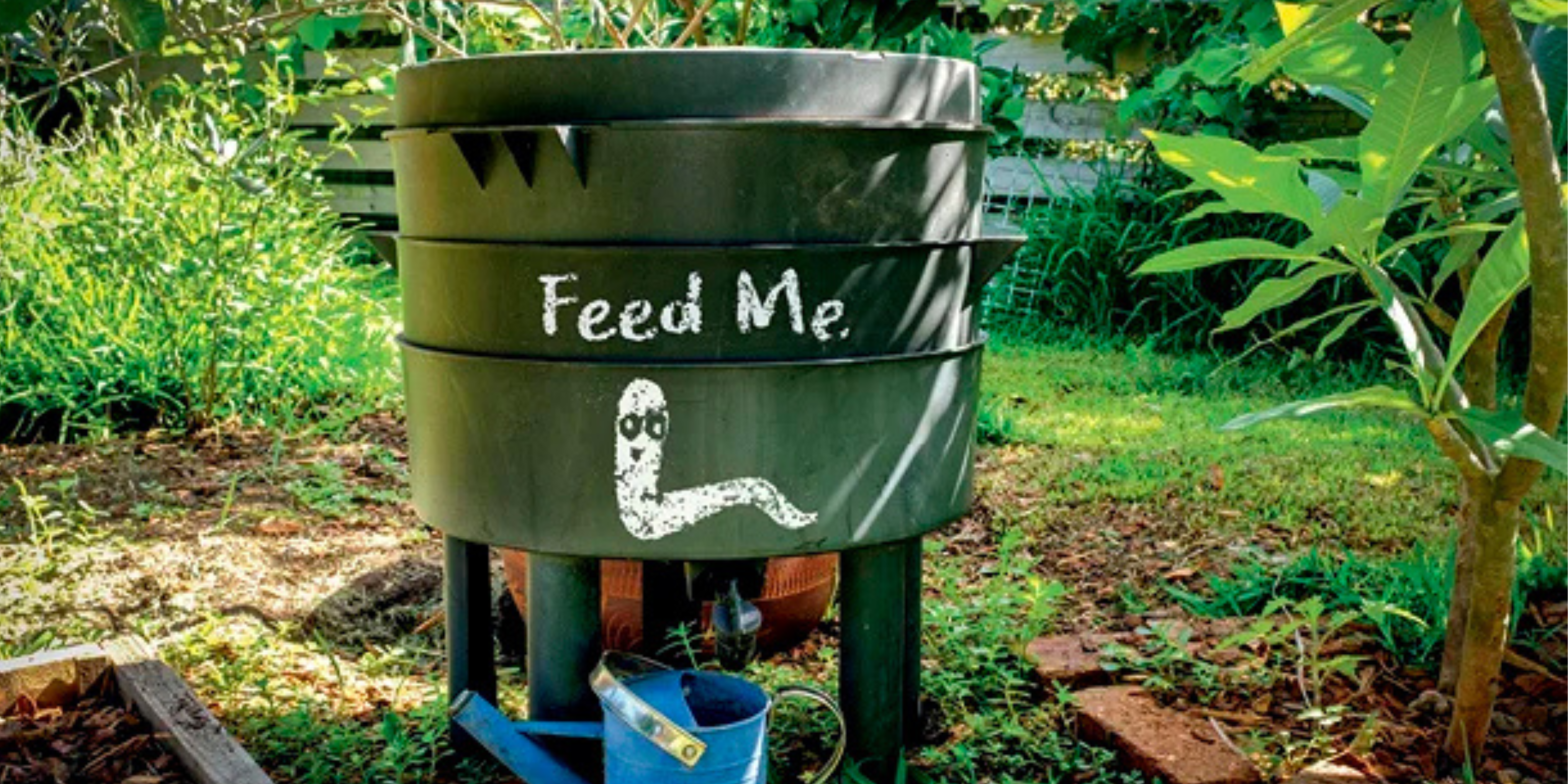
Victoria can face 40 °C degree temperatures on hot summer days. Given that compost worms can die in over 35°C temperatures, you might worry about the welfare of your wriggly friends, as well as the health of your compost, on hot days.

Here are some tips to help you prepare your worm farm for hot days.

Location:

·Keep your worm farm in the shade. Place your worm farm under a shady tree or in another dark place in your garden throughout summer.

·As worm farms tend not to smell too much (compared with other compost options) you could even bring a mobile worm farm indoors on hot days.

Temperature:

·If you have warning of the heat, place your veggie scraps in the freezer then pop them in the worm farm at the peak of the day’s heat.

·Place a frozen water bottle on top of your worm blanket at the top of the farm. It will help keep them cool. Alternatively, place esky coolant packs in the farm. If possible, monitor the farm throughout the day and replace the frozen water bottles and coolant packs as needed.

Insulation:

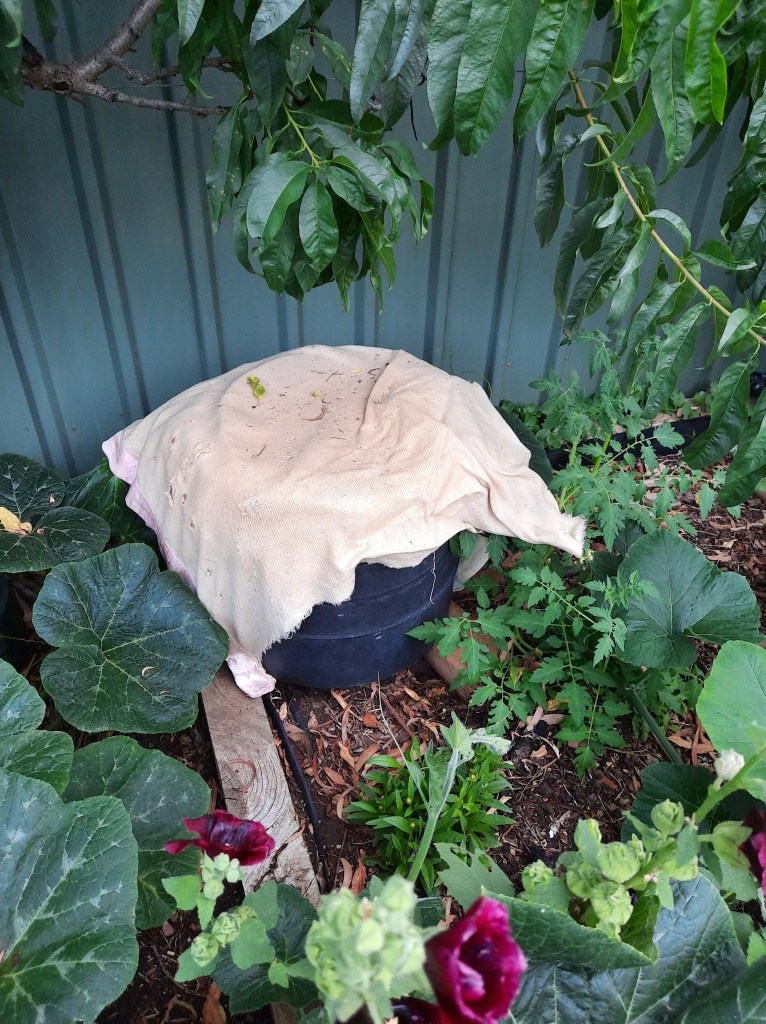
·Drape an old, wet towel or hessian material over the worm farm on hot days. Re-moisten the material as needed throughout the day. As dark colours attract heat, use a lighter coloured towel.

·Ensure you’re using a jute worm farm blanket, to provide insulation, year round. If you can’t access one, soak cardboard or an old cotton t-shirt in water and use that instead.

Considering these three things; location, temperature, and insulation, will help to keep your worm farm cool this summer.

-Alexis (FFH Team) 🌱

Gardening and Blue Zones

Could gardening help us live longer lives?

Blue zones are the places in the world with highest number of centenarians (someone who is 100 years or older). These places have been studied to figure out how the lifestyles lived in these places could help the rest of us live longer.

They include Loma Linda of California (USA), Sardinia (Italy), Okinawa (Japan), Nicoya Peninsula (Costa Rica), and Ikaria (Greece).

While there might be some factors in these places we cannot replicate, like environment or genetics, there might be some things people eat or do in these places that we can all adopt, to help improve our chances of a long life.

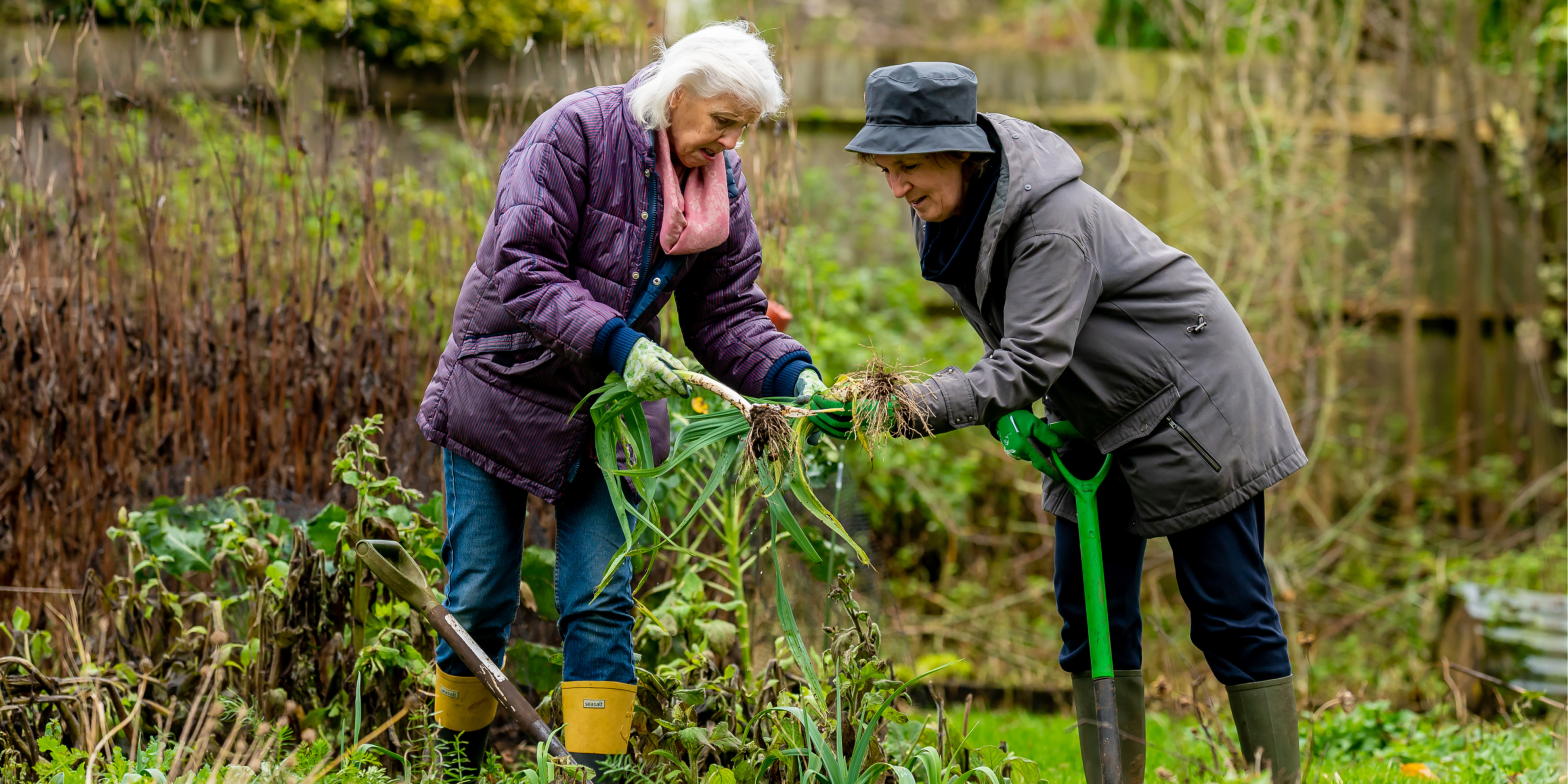
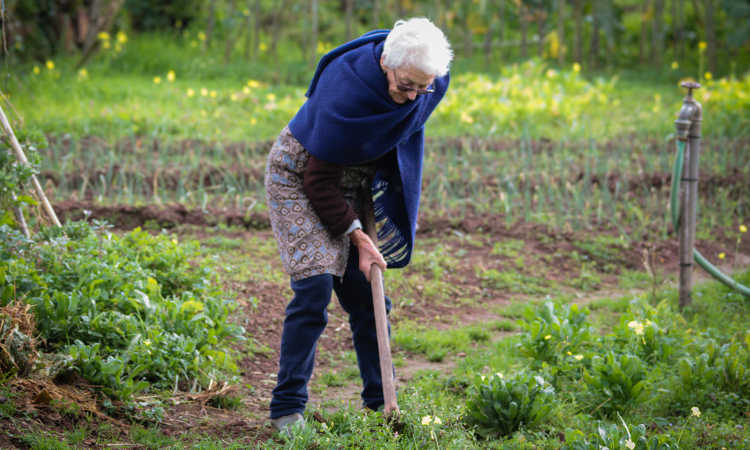
One important element of blue zones lifestyles is gardening. The centenarians in blue zones are often active in their gardens into older age, getting outside daily to dig, water, tend to plants and possibly most importantly, harvest fresh fruit and vegetables, which form a key part of their diet.

Being active

Gardening is good for us because it is a form of gentle physical activity. Physical activity can promote the health of our hearts, bodies and minds. So, whether you are turning compost, wandering the garden with a watering can or digging with a spade, you are being physically active, which could support your health long-term.

Eating fruit, vegetables & herbs

Growing your own fruit and vegetables might make you more likely to eat them. A diet high in fruit and vegetables can help lower the risk of heart disease, type 2 diabetes and certain cancers. When you grow your own herbs, you can make use of them in the kitchen. Flavouring foods with herbs (like parsley), spices (like ground coriander seeds) and juice from lemons or limes means you can have delicious food, without needing to add salt. Eating too much salt can promote high blood pressure, which can be a risk factor for heart disease.

Supporting emotional health

Gardening might even help emotional wellbeing. A recent study actually found those with a vegetable garden reported higher levels of emotional wellbeing from gardening than those with ornamental or decorative gardens (gardens with non-edible bushes, flowers and shrubs) (1).


There are many benefits to gardening and it could be any or all of these factors that play a role in supporting longer lives in Blue Zones. Clearly gardening is a worthwhile past time for long-term health and happiness – no matter your current age.

– Alexis (FFH team) 🌱

(1) https://www.sciencedirect.com/science/article/pii/S0169204619307297

How to Cook Asparagus and Seasoning Ideas

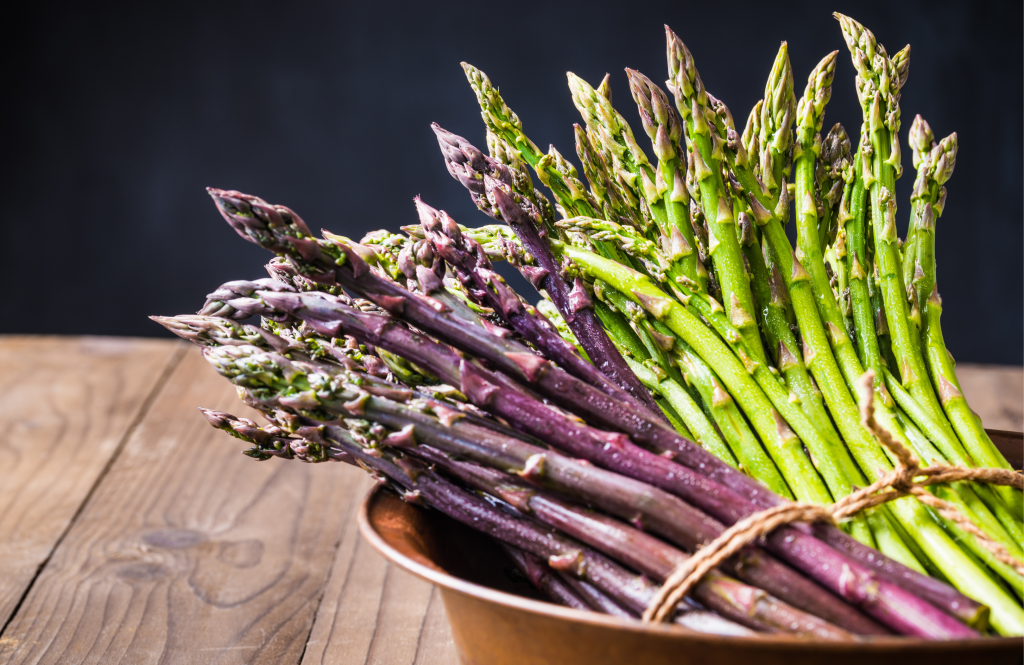
Asparagus is a great addition to your diet. It’s rich in antioxidants, fiber, vitamin K, and folate and low in sodium and fat. Adding asparagus to your meals increases flavour and boosts your health.

Choosing Fresh Asparagus

Picking  the best asparagus might be a little tricky. But here are few tips to choose fresh ones:

  • Colour: Look for stalks that are rich green with a white bottom. Avoid asparagus that is dull in colour and has grey/brown spots.
  • Texture: Choose stalks that are straight and firm.
  • Tips: Select those ones with tightly closed tips.
  • Condition: Avoid limb, mushy and wilted asparagus

Storing Asparagus:

Once you bring home your fresh, crunchy, and delicious asparagus, it’s important to cook it without delay. Asparagus is best when fresh. If  left uncooked for too long, asparagus can lose its crispiness, flavour, and nutrients. You can keep its freshness for about a week, by following these simple steps:

  • Refrigeration: Always store asparagus in refrigerator.
  • For short term: If you plan to cook the asparagus within a day or two, trim the ends of the stalk. Cover the cut ends with damp cloth or paper towel. Loosely cover the asparagus with a plastic cover. Place it in the crisper drawer of your refrigerator.
  • For longer term: To store asparagus for longer period, start with cutting the ends of the stalk. Take some water in a wide mouth jar or bowl. Place the asparagus upright in the water. Loosely cover the asparagus with a plastic cover. Place it in the refrigerator. Remember to change the water when it turns cloudy.

Preparing Asparagus

Before you start cooking, you need to know how to properly prepare asparagus to increase its flavour and texture. Here is a simple guide to prepare it perfectly:

  • Wash and Dry: Rinse the asparagus under cold water to remove any dirt or grit. Pat the stalks dry with a paper towel.
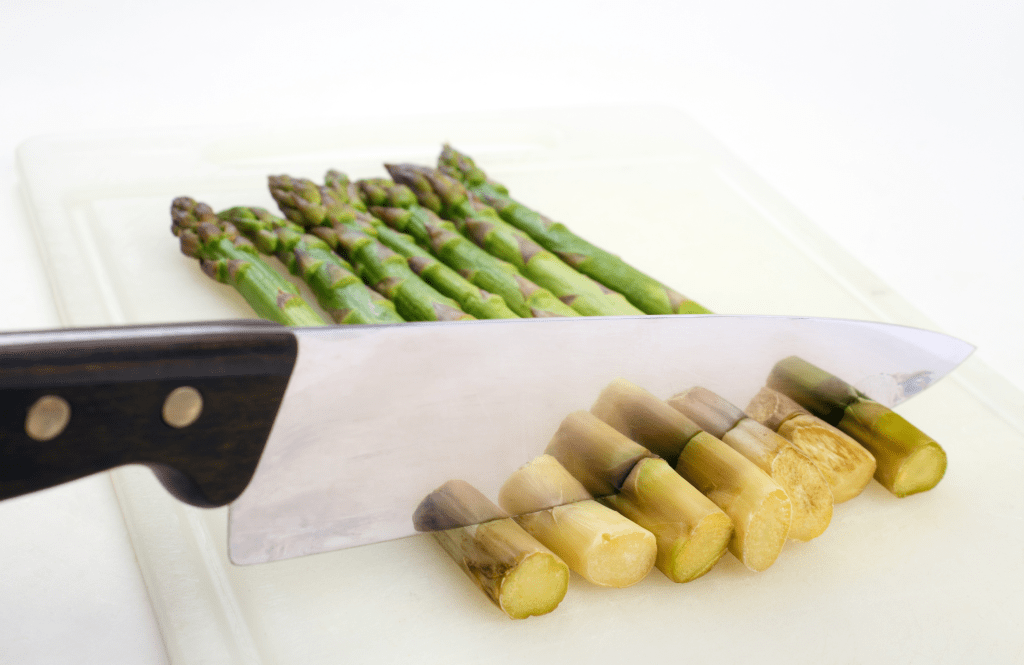
  • Trim the Ends: Remove the tough, woody ends of the stalks. You can cut them off with a knife or snap them off by hand. This method often works best as the stalk will naturally break at the right point. When trimming, cut the ends right where the green part of the stem starts to turn white or light purple.
  • Peel if Necessary: For thicker stalks, consider peeling the lower half with a vegetable peeler. This helps in uniform cooking.

Cooking techniques:

Asparagus can be cooked in various ways. If you are not sure how to get more asparagus into your diet, try the following cooking techniques:

  • Steaming

Steaming is a great way to save the vibrant colour and nutrients of asparagus. Start by filling a saucepan with about an inch of water. Place a steamer basket inside ensuring it does not touch the water. Bring the water to a boil over medium to high heat and add trimmed asparagus to the basket. Steam till you can easily pierce it with a fork (fork-tender). This is about 5-10 minutes for thick stalks and 3-5 minutes for thin ones.

  • Boiling

For a quick and straightforward method, boiling works wonders. Fill a saucepan with water and bring it to a boil. Add the asparagus and cook until fork tender and bright green—about 5 minutes for thick stalks and 3 minutes for thin. Once done, simply drain the asparagus and enjoy!

  • Microwaving

If you’re short on time, microwaving is a speedy option. Arrange asparagus in a microwave-safe dish in a single layer, sprinkle with 2 tablespoons of water. Cover with a microwave-safe lid and microwave on high for 3-5 minutes. Check in between to see if it is fork tender. This method retains the asparagus’s bright colour and crispness.

  • Roasting

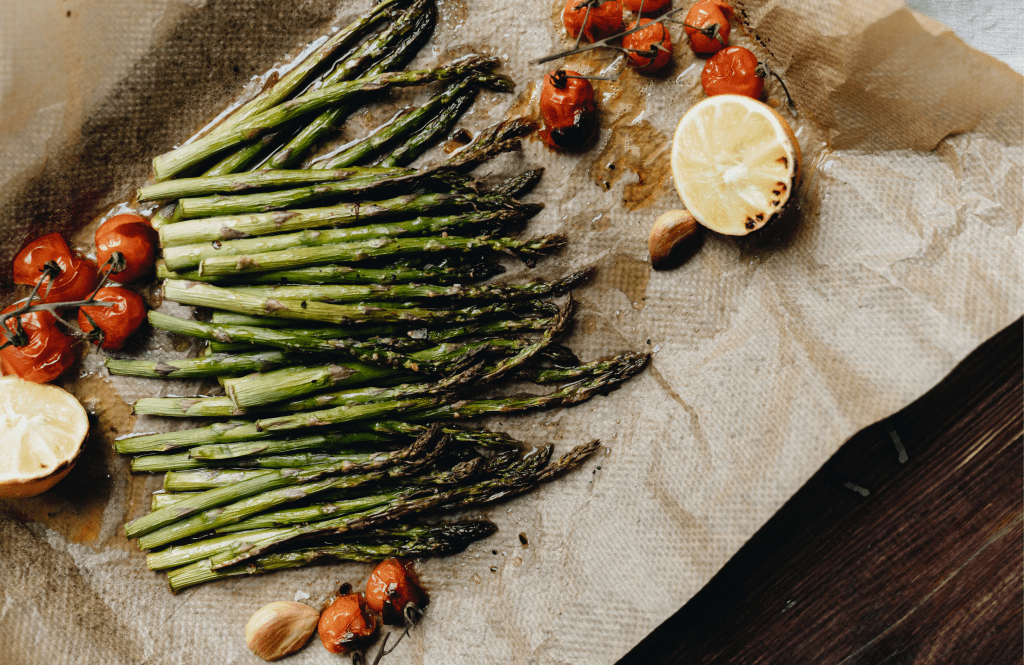
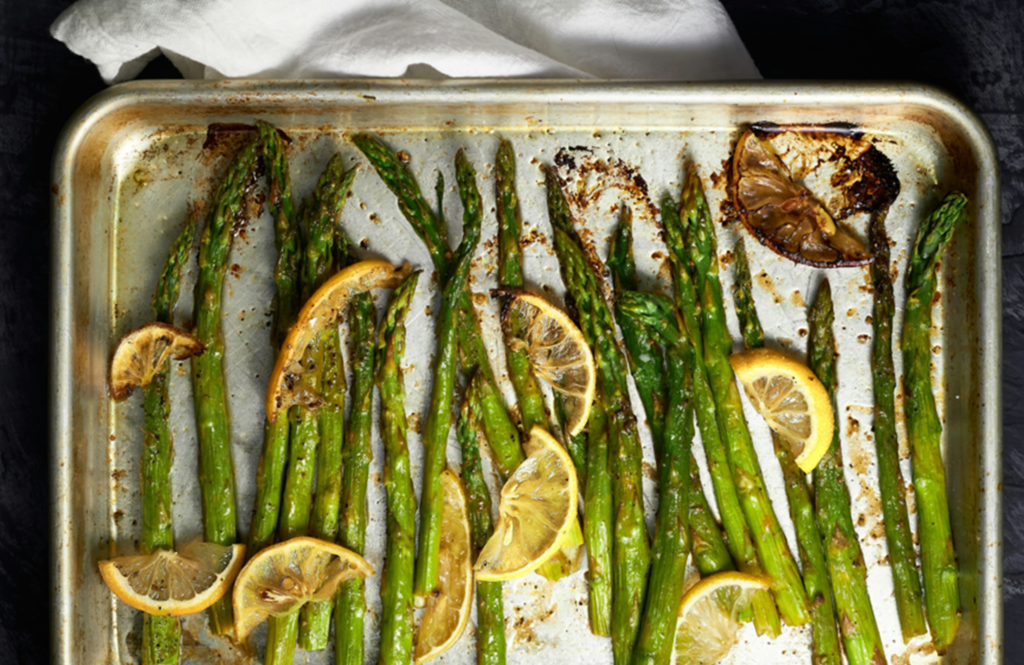
Roasting brings out a rich, caramelized flavour. Preheat your oven to 220°C and line a baking tray with parchment paper. Arrange the asparagus in a single layer. Drizzle with olive oil, and season with salt and pepper. Roast until the base is easily pierced with a fork. This take around 10-12 minutes for thin stalks and 15-20 minutes for thick ones.

  • Pan Frying

For a char, pan frying is ideal, especially for thin asparagus. Heat olive oil in a pan over medium heat. Add the asparagus in a single layer, and season with salt and pepper. Cook for 3-5 minutes, turning occasionally until tender and slightly charred.

Seasoning Ideas

To make your dish stand out, you can consider these flavourful seasoning options:

  1. Lemon Zest and Garlic: Adding lemon zest and minced garlic creates a refreshing and tangy flavour. Simply toss the steamed or roasted asparagus with a sprinkle of lemon zest and a clove of minced garlic.
  2. Parmesan Cheese: For a rich and savory touch, sprinkle freshly grated parmesan cheese over your asparagus. This works beautifully with both roasted and steamed asparagus, as the heat will slightly melt the cheese, creating a creamy texture.
  3. Balsamic Vinegar: Drizzling balsamic vinegar over roasted asparagus adds a sweet and tangy finish. It also balances the vegetable’s natural flavours.
  4. Chili Flakes: If you enjoy a bit of heat, sprinkle chili flakes over your pan-cooked or roasted asparagus.
  5. Fresh Herbs: Fresh herbs like thyme, rosemary, or dill can increase the flavour of asparagus. You can toss the cooked asparagus with finely chopped herbs.
  6. Soy Sauce and Sesame Seeds: For a quick stir-fry or pan-cooked asparagus, a splash of soy sauce mixed with toasted sesame seeds can create an Asian-inspired dish. This combination is perfect for a quick weeknight dinner.

Whether you are making a simple side dish or a more complex meal, these ideas will help you make the most of asparagus. Asparagus is a delightful addition to any meal, so don’t hesitate to experiment with it in your cooking!

By Ornella Sara Shaj from The Baker Heart and Diabetes Institute. 🌱

Tackling fussy eating in children: The power of homegrown food

Does your child’s fussy eating turn mealtimes into a daily battle? There’s a secret weapon that can transform the way your child views food: growing your own food. Spring is a great time for a food adventure with your child.

Try regrowing celery with your little one! Food from Home’s regrowing celery resource will guide you through regrowing these tasty greens with easy-to-follow step-by-step instructions. It’s a fun and educational experience. Also, it might win your child’s interest in fresh vegetables!


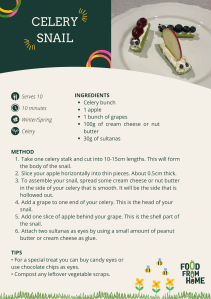
To take the excitement up a notch, we’ve got a delicious kid-friendly recipe that will get them involved in the kitchen. Try making these tasty celery snails with your little one.


We haven’t forgotten about those picky eaters. Discover ways to get your child to enjoy fruits and vegetables without compromising on flavour. 

Try making these tasty carrot cake bliss balls with your child.


By embracing the magic of homegrown food and cooking creativity, you can overcome fussy eating and create a happy food environment. Join us on this journey to happier, healthier mealtimes! 

By Hee Jin Shin, Lucia Ierardo, Monica Edmonds and Rafael Moreira
(Masters of Dietetics students, La Trobe University) 🌱

How to Stay Safe and Keep Your Garden Flourishing in the Summer Heat

Spring is here, bringing with it the promise of longer days, sunshine, and warmer weather. According to the Bureau of Meteorology, Australia is at least 2.5 times as likely to experience unusually high maximum temperatures this Spring. So, it is the perfect time to start getting your garden ready for the upcoming Summer heatwaves. Here are some easy and affordable ways to keep both yourself and your garden healthy on hot and sunny days.


Revamp your watering routine

Be sure to thoroughly water your garden when temperatures are at their lowest (in the early morning or late in the evening). Warm weather causes the water in plants and soil to evaporate away. Watering during the cooler parts of the day provides the water time to properly soak into the soil and reach the roots of your plants. Be sure to check with your local council to see if any water restrictions are in place.


Set up shade

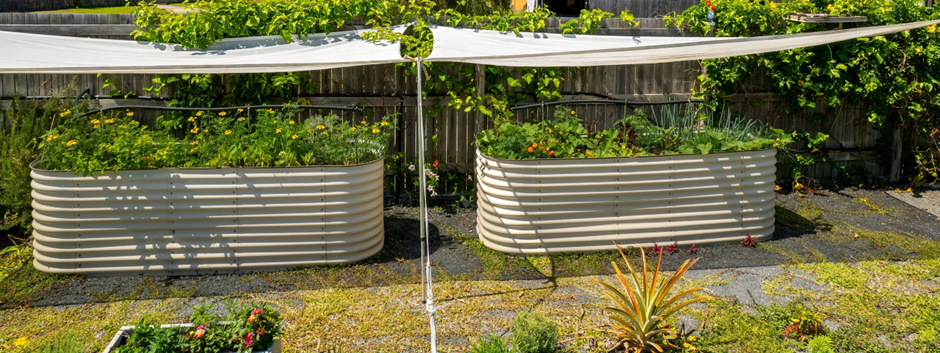
Plants such as vegetables, fruits, and flowers are susceptible to damage caused by the sun’s intense rays. Shade cloth and garden stakes can be used to create a temporary screen to protect plants in garden beds during hotter days. Potted plants can be moved into shadier spots of the garden or brought inside. Providing shade helps to keep the soil moist and prevent sun damage.


Pile on the mulch

Top up the mulch on your garden beds so it’s nice and thick (between 5 and 10cm). Mulch insulates the soil from the heat, helping it retain moisture in the Summer. Organic mulches such as straw and grass clipping are the best for use in edible gardens, they provide extra nutrients to the soil as they break down. Mulch also has the added benefit of weed control. Be sure to fertilise before applying a new layer of mulch.


Keep it cool

It’s easy for your body to overheat when gardening in the summer heat. A high body temperature can lead to heat-related illnesses such as heat exhaustion and heat stroke. To prevent overheating, drink plenty of water, wear light-coloured, loose-fitting clothing, and limit time in the garden to the cooler parts of the day (in the early morning and evening). A damp towel can help to keep your neck cool while outside watering. Remember that a hat and sunscreen are always essential when outside in the sun.

Hot weather can be challenging for both you and your garden’s health, but with proper preparation, you can ensure that both you and your garden can continue to thrive. 

– Sophie (Master of Public Health student, Baker Institute) 🌱

Winter vegetables in Australia and how to enjoy them

It is winter already! It is the time of the year when we witness how the days get shorter and the temperatures gets colder. Not only that, but we notice the variety of fresh vegetables that appear in this cold season. The winter season is perfect for growing certain types of nutrient-rich vegetables because they contain higher amounts of sugar that allow them to survive and thrive in low temperatures.

Growing and eating winter vegetables is also good for the environment since they can grow locally, reducing the need for transportation and storage. On top of this, they are less expensive than out-of-season produce that needs to be imported. Let’s explore more about Australian cold-season vegetables and share tips on how to grow and enjoy them.

  Winter Vegetables  
There are many root vegetables and leafy greens that grow in Australia’s winter season. These include, but are not limited to cauliflower, carrots, cabbage, and celery. These vegetables are packed with many nutritious benefits like essential vitamins, minerals, and fibres for a healthy gut.
TypeBenefitsCooking tips
  Cauliflower      Cauliflower is a delicious and nutrient-dense vegetable. It contains a high amount of fibres, several vitamins, and minerals including:

– Vitamin C
– Vitamin K
– Choline
– Potassium
– Anti-inflammatory effects, help in the prevention of chronic diseases like arthritis and heart disease.
– Anti-aging properties
– High fiber content, promoting weight management by increasing feelings of fullness and regulating blood sugar levels.
Cauliflower is a versatile vegetable that can be cooked and featured in different types of recipes. Ways to enjoy eating it:

– Roasting
– Grilling
– Steaming
– Boiling
– Mashing
– Using it as a gluten-free alternative to traditional flour in pizza crusts of bread.
Gardening tips for cauliflowers:
– Start cauliflower seeds in trays during summer (January- February) and transport them later into the garden, allowing them enough time to grow before the weather gets colder.
– Choose a sunny location in your garden for planting cauliflower.
– Keep the soil evenly moist by providing consistent water to the plants.  
  Carrot  Carrots are a nutritious and popular root vegetable. They are known for their bright orange colour, and they can also be found in other colours such as purple, red, white, and yellow. Carrots are an excellent source of several vitamins and minerals like:

– Beta-carotene, which is converted into vitamin A in the body and is important for maintaining healthy vision, skin, and immune function
– Vitamin K
– Vitamin C
– Potassium
– CalciumIron
Carrot can be roasted, steamed, or boiled, as it is a versatile vegetable that can be enjoyed in various ways:

– Raw: enjoy carrots as a crunchy snack or add them to salads.
– Cooked: combine carrots in soups, stir-fries, and other cooked dishes.
– Juices: enjoy refreshing carrot juices on their own or mix them with orange or beetroots for added flavour and nutritional benefits.
– Baked Goods: use carrots as a natural sweetener in cakes.
Gardening tips for carrots:
– Carrot seeds can be sown in Australia during the period of January to May, when the soil temperatures range from 8 to 30°C.
– Carrots can be harvested 12–18 weeks after sowing.
– Carrots need regular watering to keep the soil evenly moist.  
  Cabbage  Cabbage is a leafy green vegetable from the Brassica family. It is a nutritious vegetable that offers many benefits, including:

– Contains vitamins, minerals, and antioxidants.
– Has high fibre content that supports a healthy digestive system.
– Contains compounds with anti-inflammatory effects.
– Helps control blood pressure and lower bad cholesterol levels in the blood.
– Rich in vitamin C, it supports a strong immune system.
– Contains antioxidants that contribute to healthy skin and vision.  
Cabbage serving ideas:

– Raw: shred for salads or use as wraps.
– Cooked:  boil, steam, sauté, or stir-fry.
– Fermented: make kimchi for a sour and probiotic-rich option.
– Stuffed: fill the leaves with savoury fillings.
– Coleslaw: mix shredded cabbage with a creamy dressing and other vegetables.
– Stir-fry addition: add sliced or shredded cabbage to stir-fries.
– Pickled cabbage.
Gardening tips for cabbage:
– Cabbage grows in cool weather like autumn, winter, and early spring.
– Select a location in your garden that is sunny and has well-drained soil.
– Cabbage can be harvested in as little as 12 weeks for early maturing types, while later maturing plants may take up to 15-20 weeks.  
  Celery  Celery is a plant that grows in wetlands and belongs to the same family as carrots and parsley. Celery has a mild, earthy, and somewhat spicy taste. Health benefits of celery include:

– Supports heart health: the minerals and antioxidants in celery protect the circulatory system, minimising the risk of heart disease.
– Improves digestion: the fibre component of celery helps healthy digestion and may protect against stomach ulcers.
– Anti-inflammatory properties: the compounds in celery help reduce inflammation, benefiting those with conditions like arthritis.
– Blood sugar control.
Celery is a versatile vegetable that can be enjoyed in various ways:

– Salads: add it to salads to provide a refreshing crunch and flavour.
– Soups and stews: Add celery to soups and stews to enhance the taste and texture of the dish.
– Raw snacks: enjoy celery as a raw snack, perfect for dipping with hummus or other healthy spreads.
– Juices and smoothies: Mix celery with other fruits and vegetables for nutritious juices and smoothies.
Gardening tips for celery:
– Celery is a cool-season crop and best grown in spring and fall to avoid the extreme heat and cold.
– Celery requires a sunny location with deep and fertile soil to grow.
– Celery seed takes around 2-3 weeks to start growing.Keep celery consistently moist 

We hope you enjoy these delicious and nutritious seasonal vegetables and make them a regular part of your meals. By introducing these vegetables into your diet, you will not only improve the taste of your food, but you will also provide important nutrients and health benefits to your loved ones.

– Zainab (Health promotion student, Baker Institute) 🌱